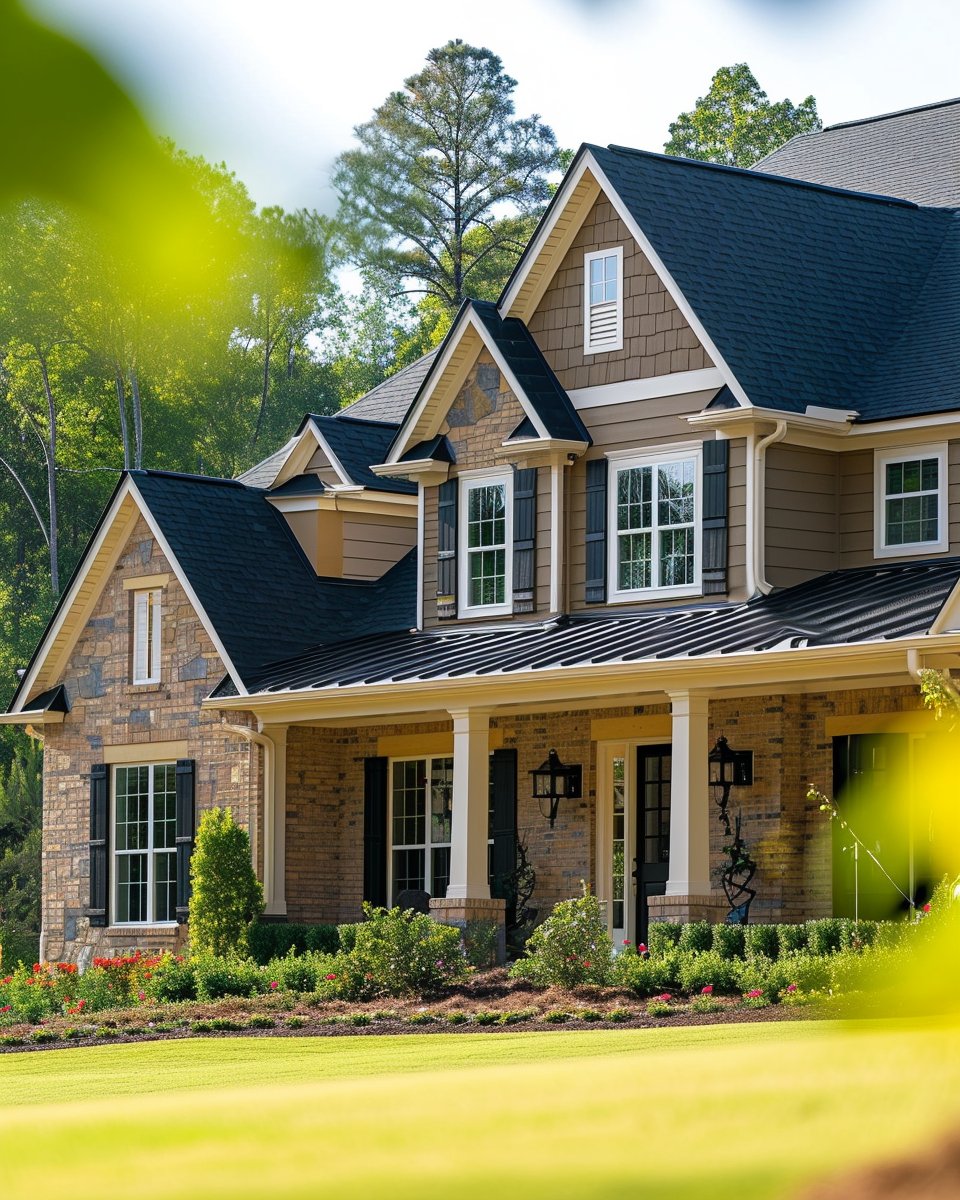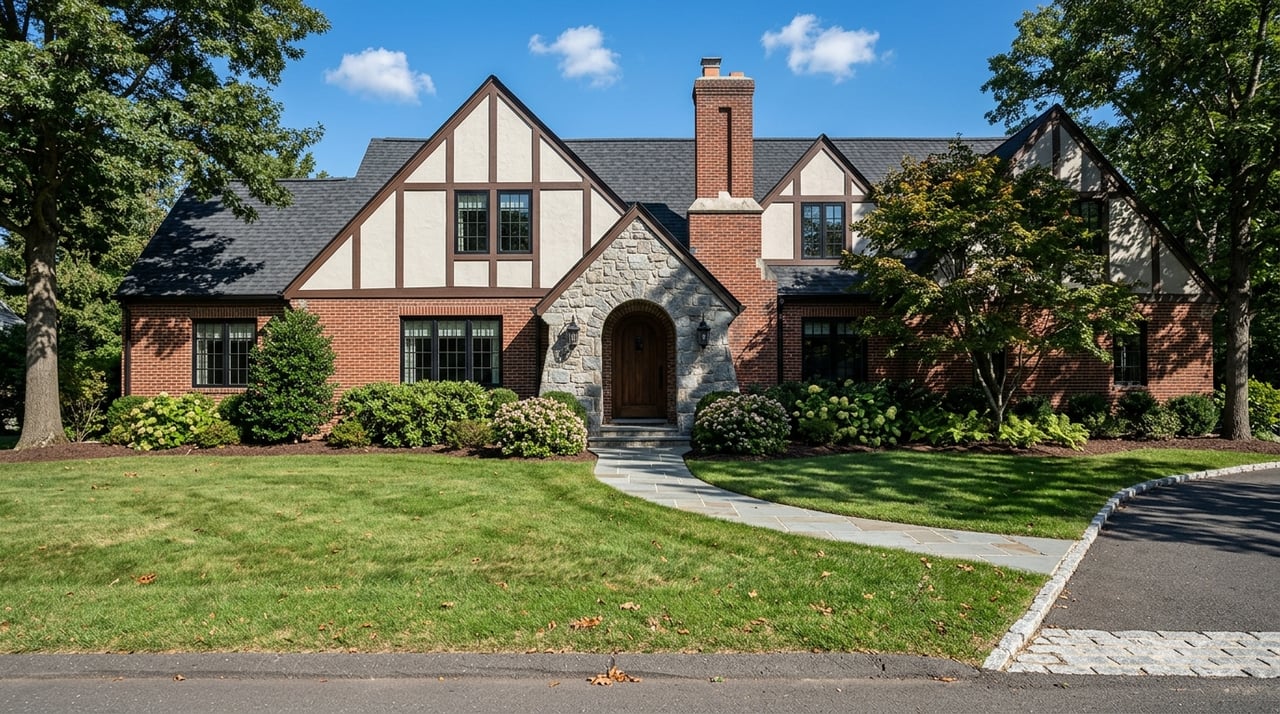
Dreaming of cooler summers, wooded views, and a home that feels like a true getaway? Owning a mountain retreat in Highlands can offer all of that, but it also comes with a lifestyle that feels different from many other North Carolina markets. If you are weighing a second home, a future full-time move, or a luxury mountain property, it helps to know what daily life and homeownership really look like here. Let’s dive in.
Highlands lifestyle feels seasonal by design
Highlands has long been known as a summer-resort community, and that history still shapes the town today. The Town of Highlands describes a setting built around scenic beauty, a cool climate, historic inns, golf, churches, and seasonal homes. That identity matters because when you own here, you are stepping into a place that was designed as a retreat as much as a hometown.
The town’s community plan estimates about 1,164 year-round municipal residents, with seasonal population levels growing to roughly three to four times that number. It also estimates 1,473 homes are used as seasonal residences or rentals. In practical terms, that means your experience in Highlands may feel very different depending on the time of year.
Summer brings energy and activity
During the busier seasons, Highlands feels lively and social. The area is known for shopping, dining, music, arts, waterfalls, and hiking trails, with the Highlands Chamber highlighting all of those as part of the local experience. If you want a retreat that still gives you plenty to do, that is a big part of the appeal.
Outdoor dining and arts events are a visible part of the seasonal rhythm. Chamber materials point to a strong restaurant scene, live music, and arts institutions like The Bascom, Highlands Performing Arts Center, the Highlands-Cashiers Chamber Music Festival, and the Art League. For many owners, that blend of nature and culture is what makes Highlands feel more layered than a simple cabin destination.
The climate shapes everyday living
One of the biggest draws is the weather. NOAA normals for the Highlands station show a mean annual temperature of 50.9°F, with 88.28 inches of annual precipitation and 10.2 inches of annual snowfall. That supports Highlands’ reputation for cool temperatures, frequent rain, and occasional winter snow.
If you are coming from lower-elevation parts of North Carolina, the climate can feel like a real shift. Summer often feels milder, while the wet mountain setting can influence how you think about home maintenance, outdoor spaces, and seasonal use. Buyers who love the mountain atmosphere often see that as part of the charm.
Outdoor access is part of the value
A mountain retreat in Highlands is not only about the house itself. It is also about what surrounds you. The Highlands Chamber describes the area as part of the Nantahala National Forest and a temperate-rainforest environment, with extensive access to public land, trails, and trout waters.
Within five miles of town, chamber materials highlight 42,736 acres of public land and conservation areas, along with 107 miles of trout waters. Popular waterfall destinations promoted by the chamber include Dry Falls, Glen Falls, and Whitewater Falls. For many buyers, that kind of access supports the feeling that Highlands is a place to unplug, reset, and spend more time outdoors.
Privacy and scenery often lead the wish list
Many buyers who look at Highlands want a quieter setting than they can find in more built-up markets. The appeal is often tied to wooded surroundings, elevation, and a sense of separation from daily noise. That does not mean every property is isolated, but privacy and scenery are often central to why people choose Highlands in the first place.
This is also where Highlands differs from a lake market or a foothills market. Based on the market comparisons in the research, Highlands is best understood as a mountain-luxury option centered on cool weather, views, privacy, and a resort-like feel. That is a different value proposition than direct water access around some lake communities or the lower entry price often found in foothills areas.
Home styles have real mountain character
One of the most interesting parts of owning in Highlands is the variety of home styles. This is not a market defined by one subdivision look. Historic documentation for the Highlands North Historic District points to Queen Anne, Shingle Style, Colonial Revival, and Ranch House classifications, along with rustic materials, Craftsman influence, shingle-clad cottages, and log summer-house traditions.
That history still shapes the feel of the market today. Depending on your budget and goals, you may find older cottages, rustic mountain homes, updated residences, custom builds, condos, or larger estate-style properties. For buyers, that means the right fit often comes down to how you want to use the home and how much upkeep and customization you want to take on.
Common property types to consider
If you are exploring Highlands, these are some of the broad property categories to think about:
- Historic or older cottages with mountain charm and established character
- Rustic mountain homes that lean into natural materials and a retreat feel
- Condos that may offer a simpler ownership experience
- Custom homes built for views, privacy, or luxury finishes
- Estate properties at the top end of the market
Each option can support a different version of mountain living. A condo may work well if you want a lock-and-leave retreat, while a custom home may make more sense if Highlands is becoming a longer-term lifestyle choice.
Highlands is a luxury-leaning market
Price is one of the clearest realities to understand before you buy in Highlands. Current figures in the research report place the average Highlands home value at $1,028,377, with a median list price of $1,230,000 on Zillow. Realtor.com reports a median listing price of $1.35 million, while Redfin’s luxury view shows a median listing price of $1.75 million for luxury homes.
At the same time, there is still some range in the market. The research notes active examples from the mid-$500,000s to nearly $10 million, and a condo median listing price around $632,000. So while Highlands clearly trends toward luxury and second-home ownership, it is not limited to ultra-luxury estates alone.
What that means for buyers
If you are comparing Highlands with other regional options, the price difference can be significant. The research shows Hickory with a much lower median sales price and some lake-area submarkets falling below Highlands as well. That does not make Highlands better or worse. It simply means you are paying for a different mix of climate, setting, and lifestyle.
For many buyers, the question is not just, “What can I afford?” It is also, “What kind of escape or everyday experience do I want?” Highlands tends to attract buyers who value a mountain retreat feel enough to make that premium worthwhile.
Second home or full-time move?
This is one of the most important questions to answer early. Highlands has a strong seasonal population pattern, and that affects how many people approach ownership. Some buyers want a true second home for warm-weather escapes and holiday visits, while others are looking for a primary residence with a slower pace and mountain setting.
Neither approach is right for everyone. A seasonal owner may prioritize convenience, manageable upkeep, and easy access to town amenities. A full-time owner may think more about year-round comfort, weather patterns, storage, workspace, and how the home functions beyond peak travel months.
Questions worth asking yourself
Before you buy, it helps to get clear on a few practical points:
- Will you use the home mostly in one season or throughout the year?
- Do you want lower-maintenance ownership, or are you open to a more hands-on property?
- Is your priority walkability to town, privacy, or a balance of both?
- Are you looking for historic character, updated finishes, or new custom design?
- Does a condo, cottage, or larger mountain home best fit your budget and plans?
The answers can quickly narrow your search and keep you focused on properties that match how you actually want to live.
Why Highlands appeals to relocation buyers too
Although Highlands is widely associated with second homes, it can also appeal to relocation buyers looking for a dramatic lifestyle change. If you are moving from another part of the state or from out of area, Highlands offers a setting that feels distinct from suburban and metro markets. The cooler climate, mountain scenery, and established cultural calendar can make it attractive for buyers seeking a different pace.
That said, a move to Highlands is not the same as choosing a lower-elevation Piedmont community. The seasonal rhythm, luxury pricing, and mountain environment all shape the ownership experience. Working with a brokerage that understands relocation needs can help you weigh whether Highlands fits your plans now or is better suited as a second-home market for your household.
What owning a retreat here really feels like
At its best, owning a mountain retreat in Highlands means having a place where the setting does a lot of the work for you. Cooler air, forested surroundings, nearby trails, waterfalls, trout waters, arts venues, and a resort-town rhythm all combine to create a lifestyle that feels separate from everyday routines. That is a large part of why Highlands continues to stand out in North Carolina’s real estate landscape.
It also means buying with clear eyes. Highlands is a market where price points often sit well above many other parts of the state, and where seasonal patterns influence the feel of town. If that trade-off matches what you want, a home here can offer not just a property, but a dependable place to return, recharge, and make your own.
If you are considering a mountain retreat, a full-time move, or a second home strategy, working with a trusted local brokerage can help you compare options and move forward with confidence. Connect with Berkshire Hathaway Home Services | Landmark Properties for guidance on buying, selling, relocating, valuation, and market insight across western and central North Carolina.
FAQs
What is the lifestyle like for mountain retreat owners in Highlands, NC?
- Highlands offers a seasonal mountain lifestyle shaped by cool weather, scenic beauty, hiking, waterfalls, dining, shopping, music, and arts, with a population that grows significantly during busier times of year.
Is Highlands, NC mostly a second-home market?
- Highlands has a strong second-home and seasonal-residence pattern, with the town’s community plan estimating 1,473 homes used as seasonal residences or rentals and seasonal population levels rising to three to four times the year-round population.
What types of homes can you buy in Highlands, NC?
- Buyers can find a mix of historic cottages, rustic mountain homes, condos, updated residences, custom homes, and estate properties rather than one uniform neighborhood style.
Are Highlands, NC home prices considered luxury-level?
- Yes. The research report shows average and median pricing above many other North Carolina markets, with figures ranging from about the mid-$500,000s into the multi-million-dollar range depending on property type and location.
How does Highlands, NC compare with lake or foothills markets?
- Highlands is generally positioned as a mountain-luxury market focused on cool weather, privacy, scenery, and a resort-like feel, while lake markets often emphasize water access and foothills markets typically offer a lower entry price.
Is Highlands, NC a good fit for full-time living or just vacation homes?
- It can work for either, but the right choice depends on how you plan to use the property, your budget, and whether you want a seasonal retreat or a year-round mountain home.