Thinking about a move to Lake Norman of Catawba and wondering what your days would really look like? You might picture sunrise paddle sessions, school drop-offs, and an easy run for groceries before a quiet evening on the dock. That is close, but there are a few local rhythms and practical details you will want to know first. In this guide, you will learn how people get around, when the lake is busiest, what to expect with docks and maintenance, and how community life comes together. Let’s dive in.
The weekday rhythm and commute
Daily life here is centered on driving. Neighborhoods around Lake Norman of Catawba are primarily car dependent, so you will use your own vehicle for work, school, errands, and appointments. Many residents commute toward job centers in Mooresville, Cornelius, and Huntersville, and some head farther south to Charlotte for finance, healthcare, education, and corporate roles.
Local streets are usually light on traffic, but roads that feed into Charlotte see congestion during morning and evening peaks. Fixed-route public transit is limited, and it rarely serves lakefront and rural streets directly. Many households blend remote work, carpooling, and flexible hours to keep drives manageable.
If you have kids, expect a drive for most after-school activities, sports, and lessons. Programs often cluster around marinas, lakeside parks, and recreation centers. Weekdays on the water tend to be calmer, which many locals love for a quick sunset cruise or a quiet paddle.
Weekends and holiday flow
The energy shifts on summer weekends. Boat traffic and visitor numbers climb on warm Saturdays and Sundays, and they spike around Memorial Day, the Fourth of July, and Labor Day. Roads near public boat ramps, marinas, and waterfront dining get busier, and parking at popular ramps can fill early.
Outside of peak season, the pace eases. Fall and winter bring quieter roads and coves, which many residents appreciate for relaxed fishing and shoreline walks.
Recreation on Lake Norman
Lake Norman is the area’s signature amenity. It anchors how people relax, socialize, and plan their weeks.
- Late spring to early fall: Peak boating and watersports. Waterfront restaurants and marinas are at their busiest. Community boat parades, regattas, and concerts are common.
- Fall: Popular for fishing and mild-weather hikes and bike rides. Crowds taper after Labor Day.
- Winter: Quietest on the water. Some seasonal services reduce hours or close. It is a good time for maintenance, hiking, and birding.
- Spring: Activity ramps up as temperatures rise. Boats return to the water, and fishing picks up.
On-the-water favorites
You will see plenty of pontoon cruising, wakesurfing and wakeboarding, waterskiing, and family tubing when the weather is warm. Anglers target bass and striped bass year-round, with many favoring fall. Paddleboarding and kayaking shine in calmer coves.
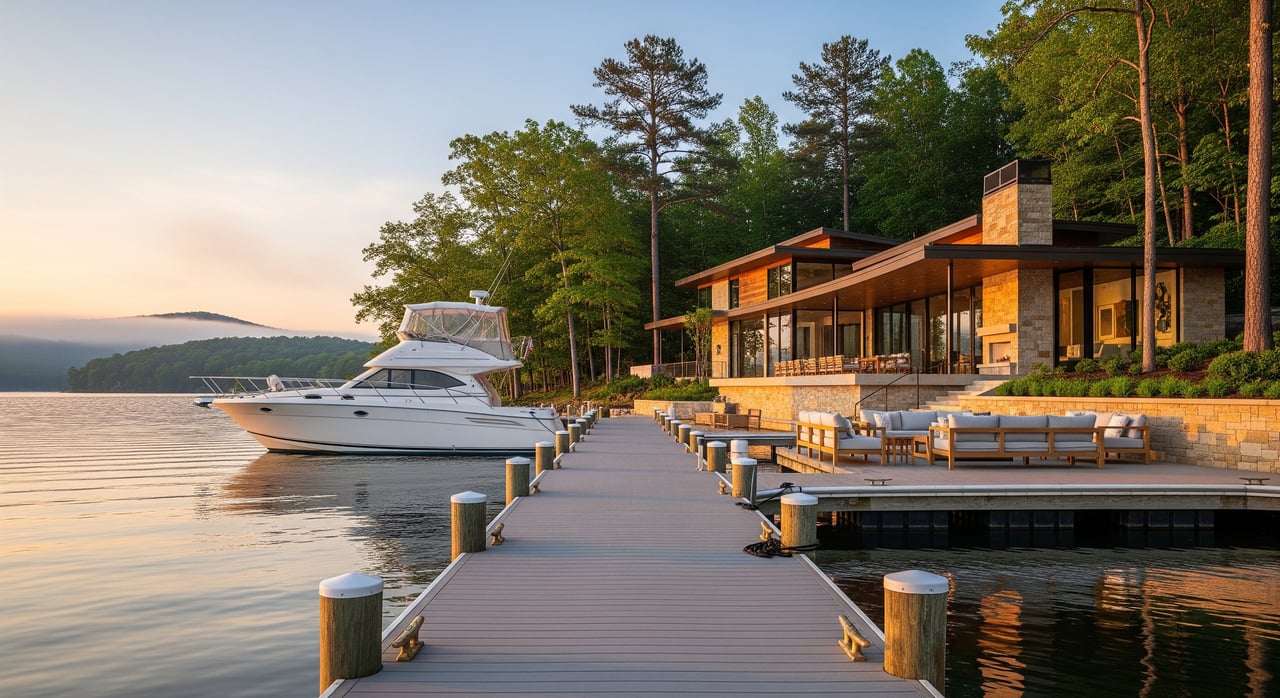
Access comes through marinas, public ramps, and private or community docks. No-wake zones, wake restrictions, and dock spacing rules guide where activities fit best. These standards help balance safety and enjoyment across busy and quiet areas.
Parks, trails, and shoreline access
You have options even if you do not own a boat. Lake Norman State Park offers shoreline access, trails, picnic areas, swim areas, and camping. County parks and trail systems nearby add places for walking, biking, and launching paddle craft. In winter, some rentals and concessions reduce hours, so plan activities accordingly.
Practical living and housing choices
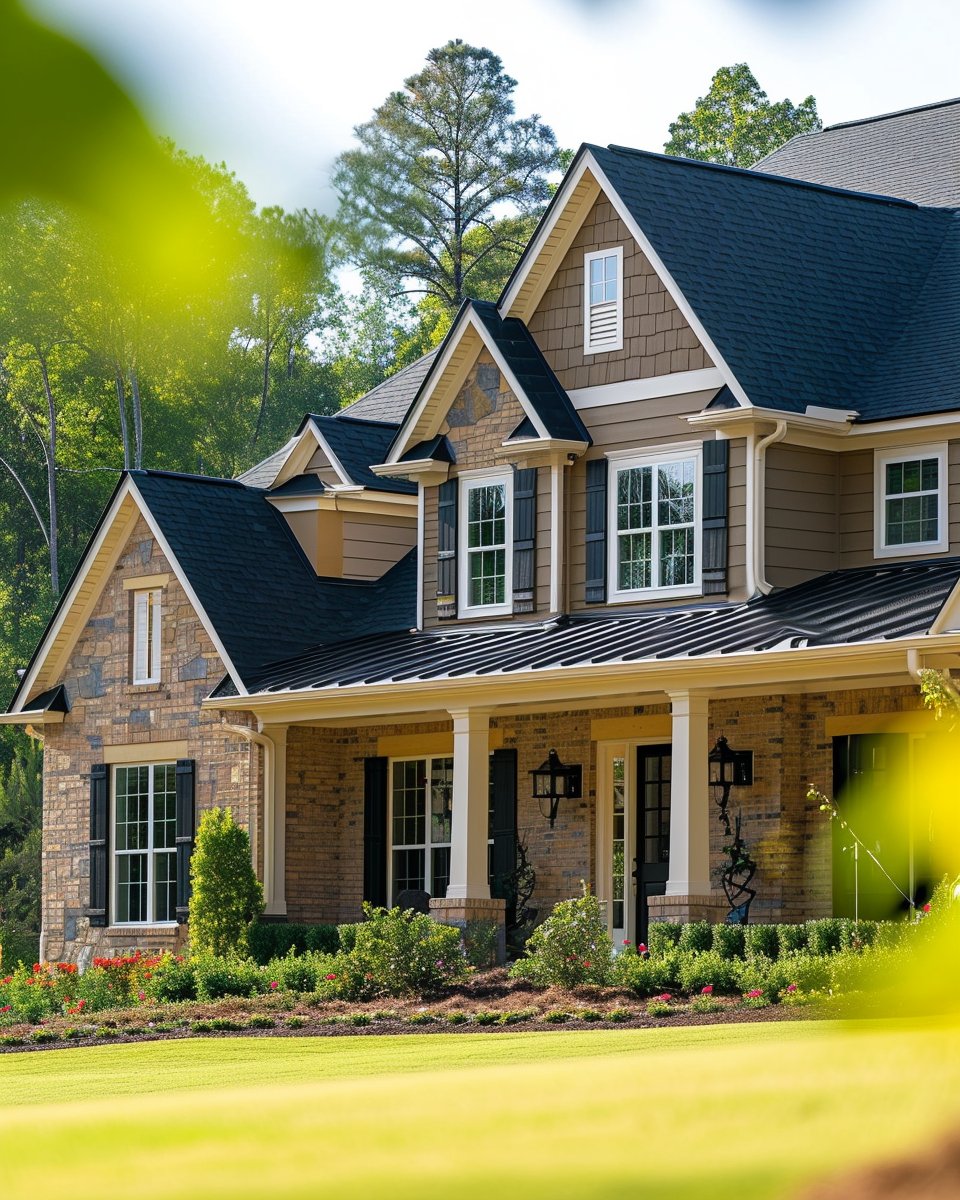
Your housing search will likely focus on three broad choices: waterfront homes with private docks, near-lake neighborhoods with shared or community docks, and inland suburban or rural homes within a short drive of the shoreline. Many communities have homeowner associations that set standards for docks, landscaping, and architecture. HOA fees and rules vary, so review them closely.
Ownership patterns are mixed. You will find full-time residents, seasonal and second-home owners, and some investors. Local regulations may limit short-term rentals, and rules differ by county and municipality, so check current ordinances if renting is part of your plan.
Docks, shoreline rules, and Duke Energy
Duke Energy manages Lake Norman as a reservoir and oversees water levels and shoreline permitting. If you plan to build or modify a dock, a seawall, or any shoreline feature, you will need to follow Duke Energy’s guidelines and obtain the appropriate permits. Before you buy, confirm the status of any existing dock agreements and make sure the improvements are permitted.
You will also encounter no-wake zones and location-specific rules that shape where wakesports and higher-speed activities are appropriate. County or municipal ordinances may layer on additional standards.
Flooding, insurance, and maintenance
Some lakeside properties sit in FEMA flood zones. Risk is very specific to the lot and elevation, so review FEMA flood maps and check local county planning for base flood-elevation information. Waterfront homes can have higher insurance costs, including coverage for wind and structures like docks and boathouses. Underwriting requirements vary by policy and property.
Budget for ongoing upkeep. Common line items include dock maintenance, seawall repair, erosion control, and seasonal boat storage and service. Property taxes and utilities can be higher on premium waterfront locations compared to inland parcels, depending on jurisdiction.
Utilities and broadband
Most developed neighborhoods have standard utilities such as electricity, water or sewer service, and trash. Some rural or peninsula lots rely on private wells and septic systems. Confirm what serves the address before you make an offer.
Internet access varies. Near-town areas often have reliable cable or fiber, while more remote addresses may use fixed wireless or satellite. Verify availability and speeds at the specific property, especially if you work from home.
Schools, healthcare, and emergency services
Public schools in this part of the lake are administered by Catawba County Schools for addresses inside the county. Assignments depend on your specific address, and there are private school options in nearby towns. Use official sources to confirm your school zone.
Primary medical care and hospitals are located in county seats and larger nearby towns, with specialty care available in Charlotte. On the water, rescue and EMS services are provided by county and local departments. Many shoreline neighborhoods are served by volunteer fire departments. Response times vary based on proximity to staffed stations and lake conditions.
Shopping, dining, and community life
Daily shopping is straightforward, though you will drive for variety. Most residents use grocery stores and shopping centers in nearby towns such as Newton, Mooresville, Cornelius, and Huntersville. For specialized shopping and major destinations, Charlotte serves as the regional hub.
Dining near the lake leans toward casual lakeside restaurants, grills, seafood spots, and breweries, many with outdoor seating and some with dock access. These places are especially lively during warm months. If you want a broader culinary scene, plan a trip into Charlotte or a nearby downtown.
Seasonal farmers markets and community-supported agriculture programs are popular and provide a social touchpoint. Annual events include boat parades and fireworks around the Fourth of July, summer regattas, fishing tournaments, and concerts in nearby town centers. Local civic groups, lake associations, sailing clubs, and paddle groups make it easy to plug into the community. Many residents volunteer with cleanups or water rescue auxiliaries.
Seasonal noise and safety
Outside of high season, many shoreline neighborhoods are peaceful. During peak summer weekends, expect louder boat engines, music across popular coves, and more activity around public access points. HOAs and local ordinances may set quiet hours or restrict certain activities.
If you prefer tranquil time on the water, aim for weekdays, early mornings, or shoulder seasons. Always respect no-wake zones and posted rules to keep everyone safe.
What daily life feels like across the seasons
- Spring: You will hear more engines in April and May as boats return to the water. It is a great time to schedule dock inspections, place service requests, and plan landscaping.
- Summer: Activity peaks. Keep an eye on ramp parking on weekends and book marina services ahead if you need repairs or fuel. Evening cruises and waterfront dining become a weekly habit for many.
- Fall: Many locals call this their favorite season. Milder air, good fishing, and quieter coves make for easy weekend plans. Trails and shoreline walks are at their best.
- Winter: Slower, calmer, and practical. Tackle home projects, evaluate erosion control, and handle boat storage. Parks and trails remain a steady outlet for fresh air.
Tips before you buy near the lake
- Verify dock status and permits with Duke Energy before closing.
- Check FEMA flood maps, elevation, and county floodplain information for any lot you are considering.
- Confirm utilities at the address, including whether the property uses well and septic.
- Review HOA covenants, fees, dock rules, and architectural standards.
- Research broadband options at the exact address and confirm speeds.
- Budget for dock upkeep, seawall repair, erosion control, and boat storage.
- Understand zoning and short-term rental regulations for your property type.
- Map your commute during peak and off-peak hours to set realistic expectations.
- Visit on a busy summer weekend and a quiet winter day to compare noise and traffic.
- Identify your closest parks, public ramps, and marinas so access fits your routine.
Make the most of the lifestyle
You will settle in faster when you connect with the community. Join a lake association or a paddle, sailing, or fishing group to learn the water safely. If you have children, look into camps and recreation programs offered around marinas and parks. Plan routine maintenance in winter so you are ready when warm weather returns. And explore nearby towns for markets, dining, and cultural events that round out your week.
Ready to find a home that fits the way you want to live at Lake Norman of Catawba? Talk with a local team that understands the rhythms of this market and how lake rules, utilities, and seasonality affect specific properties. Connect with Berkshire Hathaway Home Services | Landmark Properties to start a tailored search or get a value check on your current home.
FAQs
What is the commute like from Lake Norman of Catawba to Charlotte?
- Most residents drive, with lighter local traffic and heavier congestion on routes toward Charlotte during peak hours.
When is Lake Norman busiest during the year?
- Summer weekends and holiday periods are the busiest, while weekdays and the fall and winter months are generally quieter.
Do I need a permit to build or modify a dock on Lake Norman?
- Yes, Duke Energy manages shoreline permitting and you should confirm requirements and existing permits before purchase or construction.
Are there parks and trails with public lake access nearby?
- Yes, Lake Norman State Park and county facilities offer shoreline access, trails, camping, and picnic areas.
How are schools and healthcare arranged near Lake Norman of Catawba?
- Public schools are administered by Catawba County Schools based on address, and primary medical care is in nearby towns with specialty care in Charlotte.
What should I budget for lakefront maintenance each year?
- Plan for dock upkeep, seawall repair, erosion control, and seasonal boat storage, noting that costs vary by property and contractor.
Is broadband reliable for remote work at the lake?
- Coverage varies by address; near-town areas may have cable or fiber, while more remote spots can rely on fixed wireless or satellite.
Are short-term rentals allowed in this area?
- Rules differ by county and HOA, so check Catawba County ordinances and community covenants for current policies.