Wondering how to get your Hickory home ready to sell without overspending or guessing wrong? In a market where buyers have options and homes are not always flying off the shelf, the right preparation can make a real difference. If you are planning to sell in Hickory, this guide will help you focus on the updates, pricing strategy, and presentation choices that matter most. Let’s dive in.
Understand the Hickory market first
Before you paint a wall or book a cleaning crew, it helps to understand the market you are selling into. According to U.S. Census QuickFacts for Hickory, Hickory had an estimated population of 45,081 in July 2024 and serves as the anchor city of a metro area with 374,361 people. The city also sits at the junction of I-40 and U.S. 321, which supports its role as a regional hub.
Recent housing data points to a market that is workable, but selective. Realtor.com’s Hickory market overview reported 484 homes for sale in February 2026, a median listing price of $343,795, and a median 58 days on market. The same report noted that homes sold for an average of 1.66% below asking, which suggests many buyers are comparison shopping and negotiating.
That means preparation matters. If your home is clean, well-presented, and priced in line with current local conditions, you are more likely to attract stronger interest. If it needs visible work or feels overpriced for its area, buyers may move on.
Know that pricing is local
Not every part of Hickory moves the same way. Realtor.com’s local overview shows median home prices can vary by ZIP code, with 28601 around $369,000 and 28602 around $318,515. Days on market were also slightly different between those areas.
For you as a seller, that is a reminder not to rely on broad headlines alone. A smart list price should reflect current comparable homes in your part of the market, your home’s condition, and how your property stacks up against active competition. In a balanced market, buyers tend to notice when a home is priced above neighborhood norms.
Focus on the prep work buyers notice most
In Hickory’s current market, the best pre-listing strategy is usually not a massive remodel. It is a combination of pricing, visible condition, curb appeal, and strong presentation. That approach lines up with local market data and national seller-prep research.
A practical preparation plan often includes:
- Decluttering every major space
- Deep cleaning the home
- Touch-up or full interior paint where needed
- Improving the front entry and landscaping
- Repairing visible maintenance issues
- Staging or lightly staging key rooms
- Using strong listing photos and video
These steps help buyers see value quickly. They also reduce the chance that small condition issues distract from your home’s best features.
Start with curb appeal
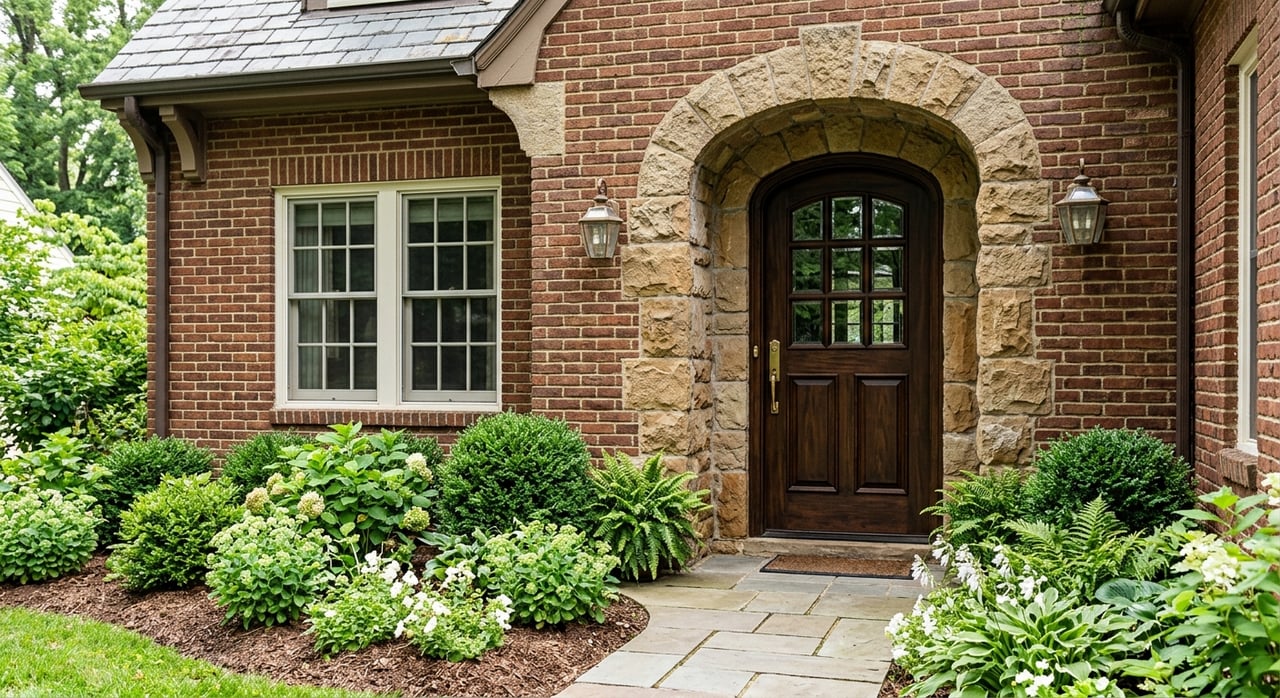
Your exterior creates the first impression, both online and in person. The NAR Remodeling Impact Report on outdoor features found that 92% of REALTORS® have suggested curb appeal improvements before listing, and 97% say curb appeal is important in attracting buyers.
That does not mean you need a major landscape overhaul. Often, simple improvements can go a long way. Think trimmed shrubs, fresh mulch, swept walkways, a tidy porch, and a clean front door.
If you are deciding where to spend money, front entry updates have some of the strongest cost-recovery data. The 2025 NAR Remodeling Impact Report shows estimated cost recovery of 100% for a new steel front door and 80% for a new fiberglass front door. That makes the entry one of the most defensible places to invest if your current door looks dated or worn.
Fix visible defects before buyers see them
Many sellers ask whether buyers will overlook a few unfinished repairs. In today’s market, that is a risky bet. The NAR staging report notes that 46% of buyers are less willing to compromise on a home’s condition.
That is why obvious maintenance issues deserve attention before you list. Loose hardware, stained caulk, scuffed paint, damaged trim, dripping faucets, and worn light fixtures may seem small on their own, but together they can make buyers feel like larger maintenance has been deferred.
If your budget is limited, tackle the items buyers will notice first. Clean function and visible upkeep usually do more for marketability than expensive upgrades that are out of step with surrounding homes.
Use paint and cosmetic updates wisely
When sellers want a fresh look without a major renovation, paint is often one of the simplest tools available. The 2025 NAR Remodeling Impact Report says REALTORS® commonly recommend painting the entire home or painting one room before selling.
Fresh, neutral paint can help rooms feel cleaner, brighter, and easier for buyers to picture as their own. It can also improve how your home photographs online. If your walls are heavily personalized, marked up, or inconsistent from room to room, paint may offer one of the strongest visual returns for the money.
Decide carefully on bigger projects
Not every improvement makes financial sense before selling. If you are weighing a kitchen project, it helps to compare likely return with what buyers in your price range expect.
The 2025 NAR Remodeling Impact Report found estimated cost recovery of 60% for a minor kitchen upgrade and 60% for a complete kitchen renovation. That does not mean kitchen work never pays off, but it does suggest many sellers should be cautious about over-improving.
In many cases, a lighter update makes more sense than a full renovation. Replacing worn hardware, improving lighting, repainting, and addressing obvious wear may position the home well without pushing you beyond neighborhood expectations.
Stage the rooms that matter most
If buyers are taking their time and comparing options, staging can help your home stand out. According to the 2025 NAR Profile of Home Staging, 83% of buyers’ agents said staging helps buyers visualize a property as their future home.
The same report found the most important rooms to stage are the living room, primary bedroom, and kitchen. Those are smart priorities if you do not want to stage the entire house.
Staging does not always mean renting a truckload of furniture. It can be as simple as editing down furniture, improving layout, adding clean linens, removing excess personal items, and making sure each room has a clear purpose. NAR also reported a median cost of $1,500 for a staging service and $500 when the seller’s agent handled staging, while 49% of agents saw reduced time on market.
Prioritize photos and video
Most buyers will see your home online before they ever schedule a showing. In a market where homes may sit for several weeks, your photos need to create a strong first impression.
The NAR staging report found that buyers’ agents rated photos, physical staging, video, and virtual tours as important. That supports a clear strategy for Hickory sellers: once your home is clean and camera-ready, high-quality visual marketing becomes essential.
This is one reason preparation should happen before your listing goes live, not after. If your first week on the market features weak photos or unfinished rooms, you may lose attention from buyers who were ready to look right away.
Build your Hickory prep plan
If you want a simple way to prepare your home for sale in Hickory, use this checklist:
Seller prep checklist
- Review recent local comparables before setting a price
- Declutter closets, countertops, and storage areas
- Deep clean floors, kitchens, baths, and windows
- Repair visible maintenance issues
- Refresh paint where needed
- Improve the front entry and landscaping
- Stage the living room, primary bedroom, and kitchen
- Make sure listing photos and video are done after prep is complete
This framework fits the current local market well. Buyers in Hickory appear to have choices, which means condition, presentation, and realistic pricing all work together.
Timing matters less than execution
Some sellers wonder if they should wait for a better market. Based on the latest Hickory market data from Realtor.com, the market is already balanced rather than frozen. That means there is opportunity, but success depends more on execution than on waiting for perfect conditions.
In many cases, the better question is not whether you should wait. It is whether your home will enter the market in a condition and price range that gives buyers confidence. Sellers who prepare thoughtfully are often in a stronger position than sellers who simply wait and hope.
If you are getting ready to sell in Hickory, the goal is simple: make it easy for buyers to see the value in your home from the moment they find it online to the moment they walk through the front door. For personalized guidance on pricing, presentation, and next steps, connect with Berkshire Hathaway Home Services | Landmark Properties and get local insight backed by trusted market experience.
FAQs
What does the Hickory NC housing market mean for home sellers?
- Hickory appears to be a balanced, price-sensitive market, with homes spending a median of 58 days on market on Realtor.com’s February 2026 snapshot and selling slightly below asking on average.
What should sellers fix before listing a home in Hickory NC?
- Sellers should usually focus first on visible defects, deep cleaning, paint touch-ups, curb appeal, and basic maintenance issues that affect first impressions.
What rooms should sellers stage when selling a home in Hickory NC?
- Based on NAR’s 2025 staging data, the living room, primary bedroom, and kitchen are the most important rooms to stage.
Is home staging worth it for Hickory NC sellers?
- It can be, especially in a market where buyers have time to compare homes, since NAR found staging helps buyers visualize the home and can reduce time on market.
Should sellers remodel the kitchen before selling a Hickory NC home?
- Usually, sellers should evaluate the home’s condition and neighborhood pricing first, because smaller kitchen updates are often more practical than a full renovation.
How should sellers price a home in Hickory NC?
- Sellers should price from current local comparable sales and active competition in their specific area of Hickory, rather than relying only on citywide averages.