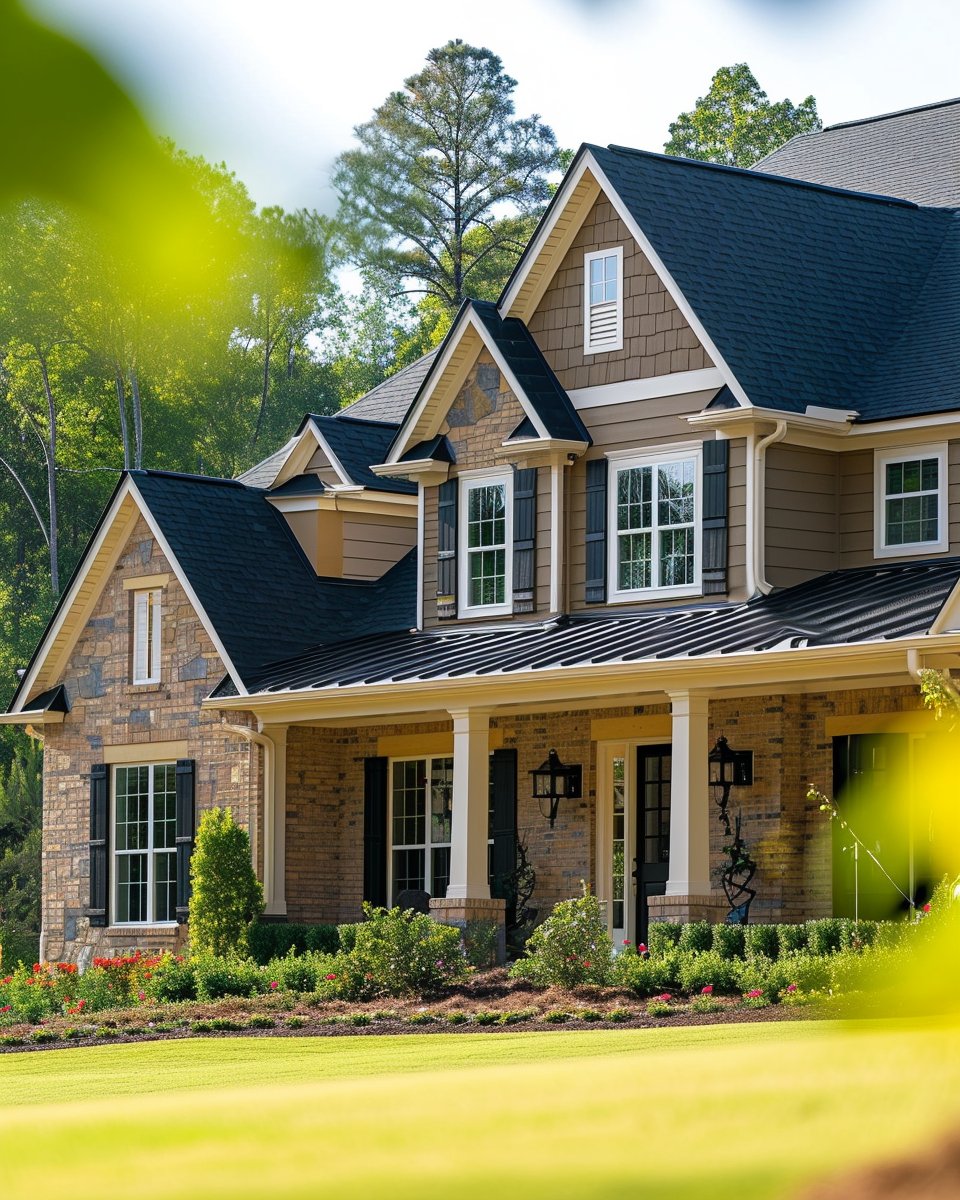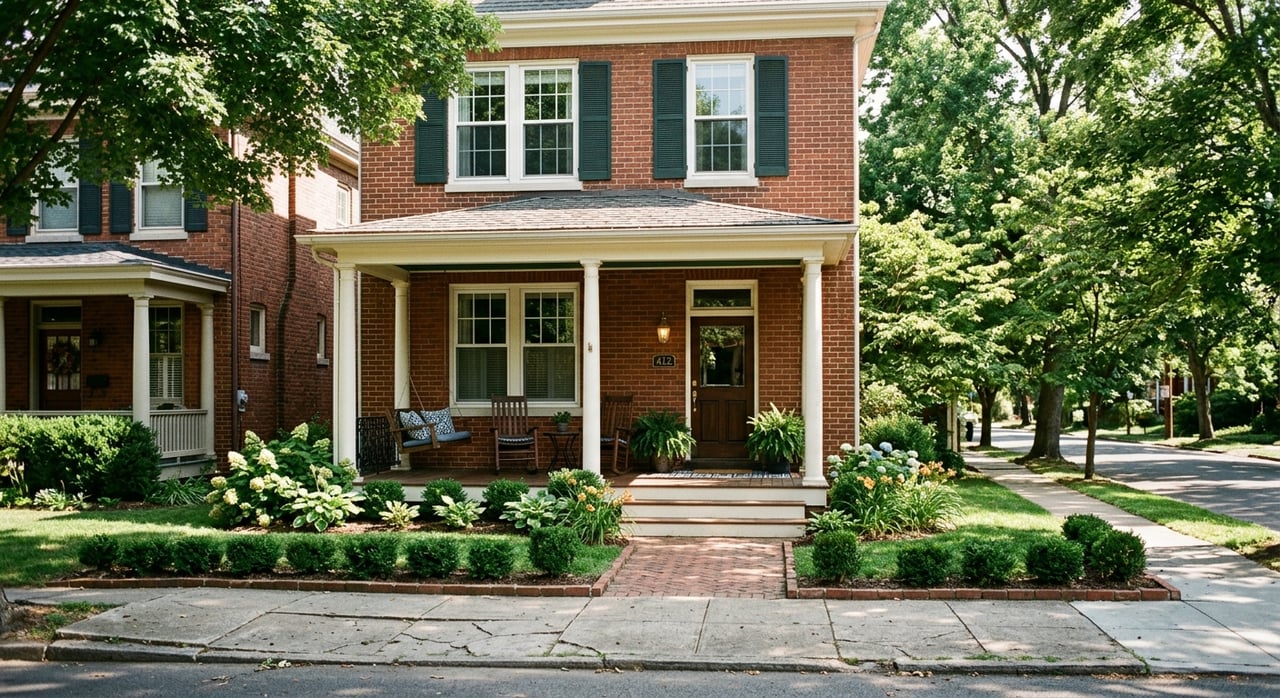
Trying to choose between a home on the water and a home closer to downtown Mooresville? You are not alone. For many buyers, this decision comes down to two very different versions of daily life, and both can be a great fit depending on what matters most to you. If you are weighing lake access, maintenance, traffic, convenience, and home style, this guide will help you sort through the tradeoffs with confidence. Let’s dive in.
Why This Choice Matters in Mooresville
Mooresville offers a unique mix of lake lifestyle and in-town convenience. It sits on Lake Norman, which Iredell County describes as the nation’s largest manmade lake by surface area, with about 520 miles of shoreline extending into the southwest part of the county.
That setting gives you two strong paths to consider. You can focus on direct access to the water, or you can choose an inland or in-town home that puts you closer to everyday errands, dining, and key travel corridors.
Mooresville’s transportation pattern also affects this decision. The town’s comprehensive plan notes that the roadway network centers on access to I-77 and downtown Mooresville, and that I-77, NC-150, and NC-115 are over capacity during peak periods. Ongoing NC-150 widening work and recent I-77 ramp improvements show that traffic and route access are real factors when choosing where to live.
Waterfront Living in Mooresville
Waterfront living is often about lifestyle first. If you picture mornings by the lake, easier boat access, and more time centered around the water, a Lake Norman property can line up well with that vision.
In some Mooresville waterfront communities, boating is built into daily life. Winslow Bay notes that residents can store a boat in a secure yard and launch it from a private dock, while The Harbour at the Pointe describes a 336-home waterfront neighborhood where most homes have private docks or deeded slips, along with a marina, boat ramp, clubhouse, and other recreation amenities.
What Waterfront Life Can Offer
A waterfront home may be a strong fit if you want:
- Direct lake access from your property or neighborhood
- The convenience of a private dock or deeded slip
- A home that supports boating, entertaining, and time outdoors
- A lifestyle where the lake is part of your regular routine
For some buyers, that convenience is the deciding factor. If you expect to use the lake often, being close to the water can make it easier to enjoy it more consistently.
Waterfront Maintenance to Expect
Lakefront ownership usually comes with more upkeep than an inland home. Duke Energy says its lake licensing process governs permits for piers, seawalls, and other shoreline activities, and property owners should contact its lake services team before doing shoreline work.
Duke Energy also notes that high water can increase shoreline erosion and affect docks and boathouses. That means your maintenance list may include more than the home itself. You may also need to think about shoreline conditions, dock upkeep, and long-term care around the water.
Waterfront HOA and Ownership Rules
If you are looking at a community with an HOA, it is important to read the rules closely. The North Carolina Department of Justice advises buyers to review covenants and fee schedules carefully.
North Carolina law generally provides that associations maintain common elements, while lot owners are usually responsible for their own lots and improvements. In practical terms, that can affect how responsibilities are divided for things like private property features, neighborhood amenities, and review processes for exterior changes.
In-Town and Inland Living in Mooresville
If your ideal day looks more like quick errands, easier access to restaurants and shops, and less lake-specific upkeep, in-town or inland living may be the better match. This option can still give you access to Mooresville’s lifestyle while changing the day-to-day rhythm.
Mooresville’s planning documents show a wider housing mix away from the shoreline. Nearly 75% of housing units in the planning area are detached or attached single-family homes, but the mix also includes multifamily homes, condominiums, mobile home subdivisions, rural homesites, and patio homes.
The downtown master plan also says traditional urban townhouses are an appropriate building type for downtown and transitional areas. That broader mix can give you more choices if you want a certain layout, lower upkeep, or a location closer to services.
Why Buyers Choose In-Town Homes
In-town or inland living may be a better fit if you value:
- A wider range of home types and settings
- Less responsibility for dock, seawall, or shoreline maintenance
- Closer access to downtown shops, dining, and events
- Better proximity to major service corridors and commute routes
Downtown Mooresville emphasizes boutiques, dining, events, and places to live. The town’s planning documents also note that retail and commercial uses are concentrated downtown and along Highway 150 east of I-77, which can make some inland locations feel more convenient for everyday needs.
You Can Still Enjoy Boating
Choosing an inland home does not mean giving up time on Lake Norman. NC Wildlife manages free public boating access areas statewide, and Lake Norman marinas can provide launches, slips, storage, rentals, repairs, and fuel.
That creates a middle-ground option for buyers who want boating access without owning waterfront property. In many cases, you can enjoy the lake while avoiding some of the maintenance that comes with private shoreline ownership.
Traffic, Access, and Daily Routine
When buyers compare waterfront and in-town living, lifestyle gets most of the attention. But your typical weekday matters just as much.
Mooresville’s comprehensive plan says I-77, NC-150, and NC-115 are over capacity during peak periods. If you commute regularly, run frequent errands, or want quicker access to downtown, travel patterns can shape which side of town feels easier to live in.
Questions to Ask About Your Routine
Before you decide, think through a normal week:
- How often will you commute during peak traffic times?
- Do you want to be closer to downtown Mooresville?
- How often will you use the lake compared with shops, dining, or service stops?
- Would a longer drive feel worth it for direct water access?
Your answers can make the choice clearer. A home can look perfect on paper, but your day-to-day routine often decides whether it feels practical.
How To Decide Between Waterfront and In-Town
The best choice usually comes down to how you want to live, not just where you want to live. Both options can work well in Mooresville, but they serve different priorities.
Waterfront May Be Right for You If
You may lean toward waterfront living if you:
- Want direct and frequent access to Lake Norman
- Expect to use a dock, slip, or boat launch often
- Enjoy outdoor entertaining centered around the water
- Feel comfortable with shoreline upkeep and permitting considerations
- Are prepared to review HOA rules and community fees carefully
For many buyers, the value of waterfront living is convenience and connection to the lake. If boating is a regular part of your lifestyle, being on or near the shoreline can be worth the added responsibility.
In-Town May Be Right for You If
You may lean toward in-town or inland living if you:
- Want lower maintenance overall
- Prefer more housing-type options
- Value easier access to downtown and major corridors
- Plan to boat occasionally rather than constantly
- Like the idea of using public access or a marina instead of maintaining private frontage
This option often works well for buyers who want flexibility. You can still enjoy Mooresville and Lake Norman without making the lake the center of your property decisions.
A Simple Way To Narrow It Down
If you are still undecided, focus on four practical factors:
- Boat use frequency: If you will be on the water often, waterfront convenience may matter more.
- Maintenance tolerance: If you want fewer property-specific responsibilities, inland living may feel easier.
- Rule comfort: If HOA review, fees, and shoreline permitting feel manageable, waterfront may still be a good fit.
- Daily convenience: If commute routes, errands, and downtown access matter most, in-town living may rise to the top.
When you compare homes, try to picture a typical Tuesday as much as a relaxing Saturday. That is often where the best answer shows up.
Whether you are drawn to Lake Norman views or the convenience of in-town Mooresville, the right move starts with clear local guidance. The team at Berkshire Hathaway Home Services | Landmark Properties can help you compare neighborhoods, weigh lifestyle tradeoffs, and find a home that fits how you actually want to live.
FAQs
What is the main difference between waterfront and in-town living in Mooresville?
- Waterfront living usually centers on direct lake access and boating convenience, while in-town living often offers less lake-specific upkeep and easier access to downtown, shopping, dining, and major roads.
Can you enjoy Lake Norman without buying waterfront property in Mooresville?
- Yes. NC Wildlife manages free public boating access areas, and local marinas can offer launches, slips, storage, rentals, repairs, and fuel.
What extra maintenance comes with a waterfront home on Lake Norman?
- Waterfront ownership can include shoreline, dock, boathouse, and erosion-related upkeep, and some shoreline work may require review through Duke Energy’s lake licensing process.
Are HOA rules important when buying a waterfront home in Mooresville?
- Yes. Buyers should review covenants and fee schedules carefully because HOA responsibilities and owner responsibilities can differ depending on the community and property features.
Is in-town Mooresville better for commuting and errands?
- It can be, especially if you want quicker access to downtown or major corridors like I-77, NC-150, and NC-115, which the town identifies as important but often congested routes.
What types of homes are common in in-town and inland Mooresville?
- Mooresville’s planning documents show a mix that includes single-family homes, multifamily homes, condominiums, mobile home subdivisions, rural homesites, patio homes, and townhouses in appropriate downtown and transitional areas.